5 Signs You Need an Emergency Plumber — Don't Ignore These Warning Signals
Not sure if your plumbing problem is an emergency? Here are five clear warning signs that you need to call an emergency plumber right away before the damage gets worse.
Emergency Plumber Athlone
16 March 2026
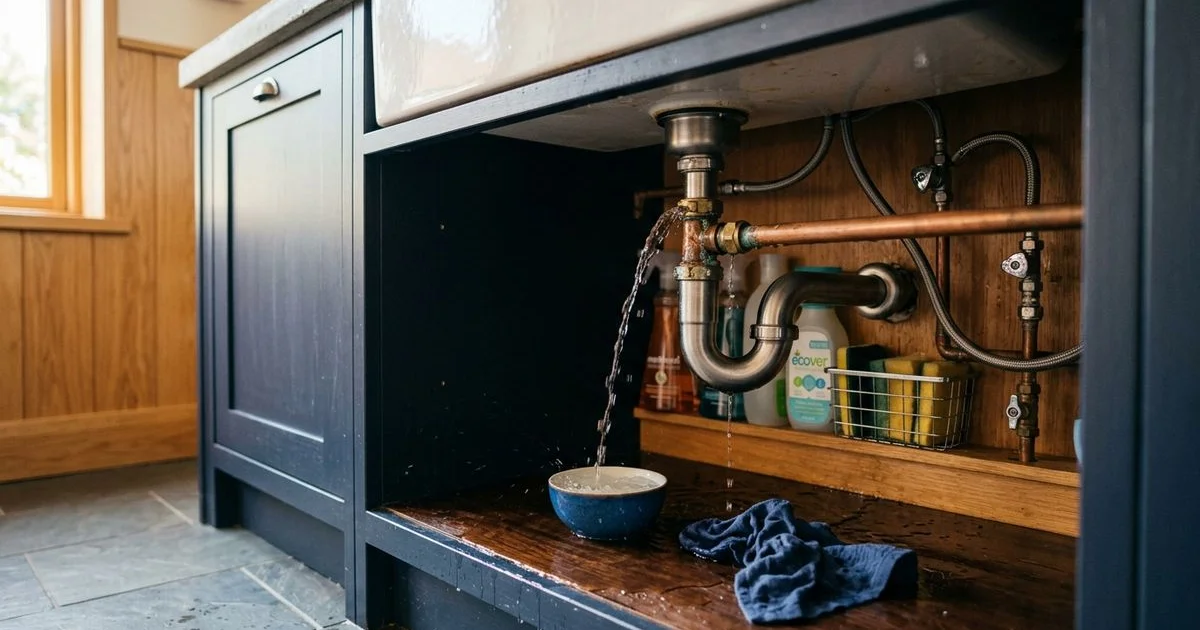
We regularly see property owners face that moment of panic when a wet patch suddenly appears on the ceiling. Deciding whether an issue is a true crisis or a simple Monday fix is a very common challenge.
Making the wrong choice often leads to massive repair bills.
If you spot any of the 5 signs you need an emergency plumber, don’t ignore the problem. We will break down what these critical warnings look like. You will also find practical steps to take while you wait for a local emergency plumber to arrive.
1. You Have No Water Supply at All
Waking up to discover that no water comes from any tap in your house is a clear sign of a serious problem. While a localised issue, such as one tap not working, usually points to a faulty valve or airlock, a complete loss of water supply suggests something much bigger.
Our team frequently responds to these calls during freezing Irish winters. A complete outage often means your underground mains supply pipe has burst or frozen solid.
These complete failures typically stem from three main issues:
- A burst in your mains supply pipe: This is the underground pipe that connects your home to the public water main.
- A frozen supply pipe: This happens frequently in Irish winters when temperatures drop below zero.
- A major leak somewhere in your system: Water is actively escaping before it ever reaches your taps.
According to the Commission for Regulation of Utilities (CRU) in their recent reports, Uisce Éireann loses roughly 37 percent of treated water, about 626 million litres daily, to network leaks. Before calling a professional, check with your neighbours to see if they are also affected. If the whole street is dry, the issue likely sits with the public supply.
You can check planned outages and reported issues on the Uisce Éireann website. If the problem is specific to your property, you need a professional to diagnose and repair the issue immediately. Living without water creates a genuine health and hygiene concern.
2. Water Is Actively Flowing Where It Should Not Be
This is the most obvious emergency of all, yet many homeowners hesitate to call for help immediately. Hoping a leak will stop on its own is a dangerous strategy. Active water flow from a burst pipe or a cracked cylinder means water is continuously entering your living space.
We know that every single minute increases the devastation. In Ireland, the average cost of a commercial water damage claim exceeds €27,000, and residential repair bills routinely hit thousands of euros. This financial impact is why water damage consistently ranks as the number one home insurance claim across Europe.
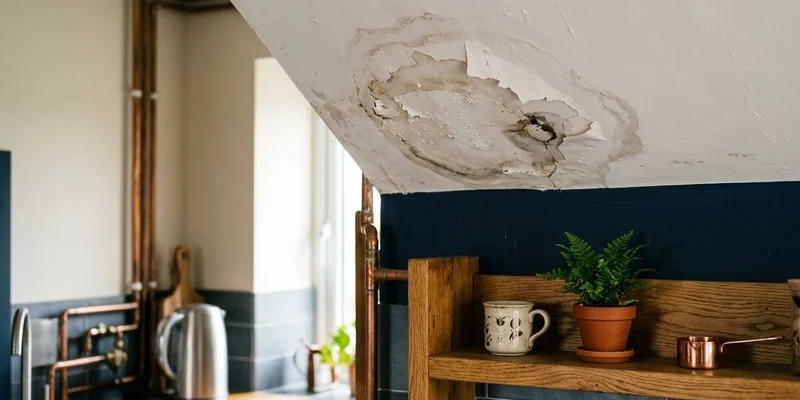
Continuous leaks rapidly destroy several areas of your property:
- Floors and subfloors: Timber floors warp easily, and chipboard subfloors disintegrate when saturated.
- Walls and plasterboard: Water wicks up through plasterboard, forcing you to replace entire sections.
- Electrics: Water near sockets or your consumer unit creates a serious electrocution risk.
- Ceilings: Pooling water causes ceilings to bow and eventually collapse.
Your immediate actions should be to turn off the main stopcock, usually found under the kitchen sink. Next, turn off the electricity to any affected areas and call an emergency plumber right away.
Our experts strongly advise against attempting to repair an actively leaking pipe yourself. A botched repair without the proper tools makes the situation much worse. Modern smart water meters, often called water alarms, can detect these hidden flows early and prevent major disasters.
3. Your Drains Are Backing Up Into Your Home
A blocked drain is deeply unpleasant, but sewage backing up into your home becomes an urgent health hazard. Backed-up drains introduce harmful bacteria, viruses, and parasites into your shower trays and floor drains.
This contaminated waste, known as black water in the trade, poses severe health risks to children and the elderly. Uisce Éireann clears approximately 10,000 blockages from the public wastewater network every year. According to their environmental reports, wet wipes alone cause an average of 16 blockages every single day across the network.
We constantly remind customers to follow the Clean Coasts “Think Before You Flush” campaign. You should only ever flush the three Ps: pee, poo, and paper. Everything else belongs in the bin.
Critical Signs of a Blocked System
Recognising a severe blockage early helps you avoid a toxic mess. Watch out for these specific warning signs:
- Overflowing toilets: Water rises when flushed or fills with waste from other drains.
- Foul smells: Persistent sewer odours emerge from drains even when water flows normally.
- Multiple blockages: Several drains backing up simultaneously indicates a main sewer line issue.
- Gurgling sounds: Running water in one room causes loud bubbling noises in another.
- Lowest drain backups: Water often appears first in a ground-floor shower or utility room.
A simple plunged sink is one thing, but sewage entering your home requires serious intervention. Our engineers use high-pressure water jetters to resolve these severe drainage and pipework blockages safely and thoroughly. You need this professional equipment to clear the line and sanitise the area.
4. You Smell Gas Near Your Boiler or Gas Appliance
While not strictly a traditional water issue, many heating specialists operate as Registered Gas Installers (RGI). A gas leak is the most dangerous emergency on this list.
Gas Networks Ireland handles thousands of publicly reported gas escapes annually. They take these reports incredibly seriously, achieving a 99.7 percent success rate for arriving within their 60-minute emergency response target. If you notice a distinctive rotten egg or sulphur-like odour anywhere in your home, you must act fast.
Immediate Steps for a Gas Leak
Safety must be your only priority when dealing with suspected gas leaks. Follow these strict rules immediately:
- Do not touch electrics: Leave all electrical switches exactly as they are.
- Avoid naked flames: Never light matches, candles, or cigarettes.
- Ventilate immediately: Open all windows and doors to let the gas escape.
- Shut off the supply: Turn off the gas at the meter by turning the handle perpendicular to the pipe.
- Evacuate and report: Leave the property entirely and call the Gas Networks Ireland 24-hour line on 1800 20 50 50.
- Seek professional repair: Contact a qualified RGI registered installer to inspect the source safely.
Gas leaks cause explosions, carbon monoxide poisoning, and tragic fatalities. We treat every gas smell as a potential threat to life. This is never a situation to adopt a wait-and-see approach.
Our team holds full qualifications to carry out gas leak detection, complete safe gas boiler repairs, and service appliances to the highest standards. If you have any doubts about a gas smell, get out of the house immediately.
5. Your Boiler Has Completely Failed in Cold Weather
A boiler failure during summer is annoying, but you can usually manage with cold showers for a day. A total breakdown during an Irish winter is a completely different story. Without heating, your home’s internal temperature drops rapidly, creating significant risks for both the property and the people inside.
The Sustainable Energy Authority of Ireland (SEAI) warns that up to 25 percent of a home’s heat escapes through an improperly insulated roof. This rapid heat loss exacerbates the freezing conditions inside your walls and under your floors.
Risk of Frozen Pipes
Water standing in unheated pipes will freeze, expand, and crack the metal or plastic. When the temperature eventually rises, the ice melts and causes a massive burst. A single heating failure easily cascades into a severe flooded pipe emergency within 24 to 48 hours.
Health Risks to Vulnerable Occupants
Cold indoor temperatures present a genuine health hazard, especially for older people and young children. The Health Service Executive (HSE) clearly states that winter temperatures affect your body’s ability to fight off infections. The HSE recommends maintaining living rooms at a minimum of 18 to 21 degrees Celsius, and bedrooms at no lower than 16 degrees Celsius.
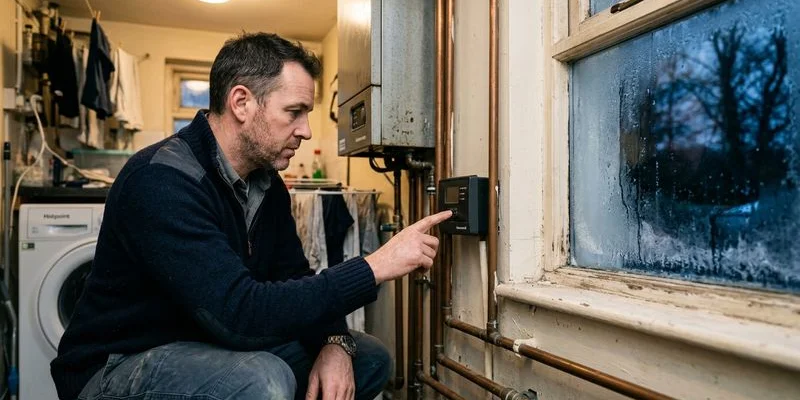
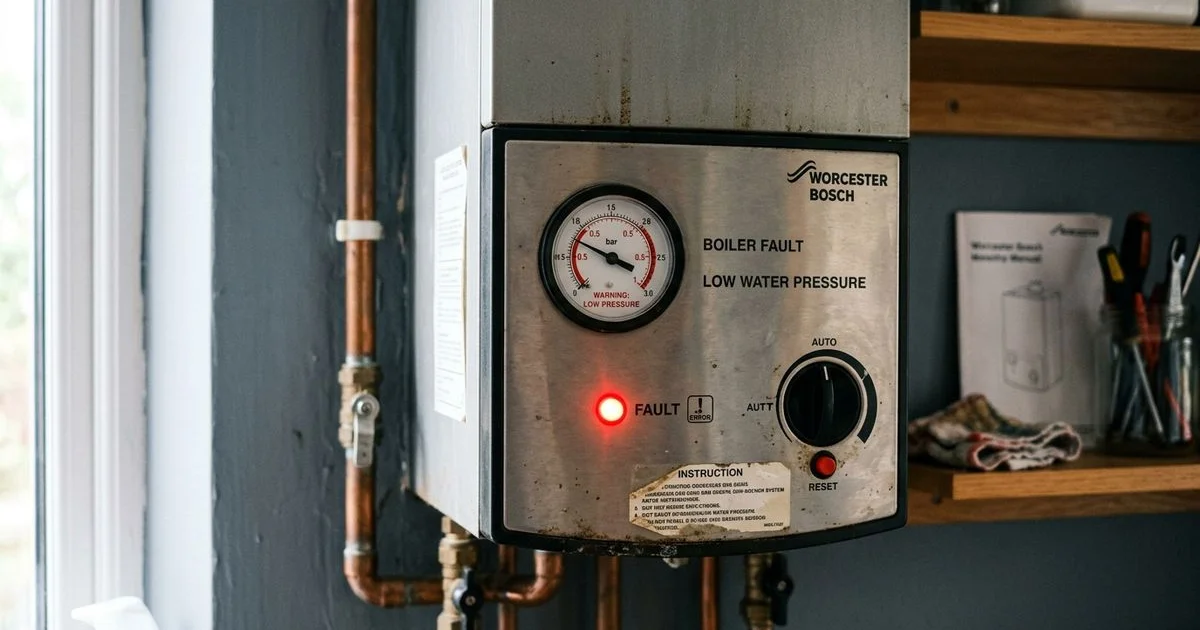
We recommend checking a few basic things before calling for help. Ensure the thermostat is set correctly and the timer has not been accidentally knocked. Check the pressure gauge on the front panel.
If the gauge drops below 1 bar, you probably need to repressurise the system. Many modern units have a reset button, so try pressing it once to see if the system reboots.
Our heating engineers cover all major brands when these simple fixes fail. The vans stay fully stocked with common spare parts. This preparation allows us to complete most boiler repair service jobs on the very first visit.
When Can a Plumbing Problem Wait?
Not every dripping pipe is a major crisis. Distinguishing between a minor annoyance and a true emergency saves you money on out-of-hours call charges.
The key distinction lies in whether the problem causes active damage or poses a safety risk. If the answer to either question is yes, you have an emergency. If the issue is contained, you can usually wait for normal business hours.
Emergency vs. Non-Emergency Plumbing
| Issue | Severity Level | Recommended Action |
|---|---|---|
| Active Burst Pipe | Emergency | Turn off stopcock, call plumber immediately. |
| Smell of Gas | Emergency | Evacuate, call Gas Networks Ireland (1800 20 50 50). |
| Dripping Tap | Non-Emergency | Place a container underneath, book a daytime repair. |
| Slow-Draining Sink | Non-Emergency | Try a plunger, book a scheduled clearance. |
| Continuous running toilet | Non-Emergency | Turn off isolation valve if noisy, book a repair. |
| Complete Boiler Failure (Winter) | Emergency | Check pressure, reset once, call heating engineer. |
We advise clients to keep a close eye on any contained drips. A small leak can quickly escalate if the water pressure fluctuates overnight.
What to Expect When You Call an Emergency Plumber
Facing a crisis in the middle of the night is stressful. Knowing exactly what happens when you dial the phone provides peace of mind during a chaotic situation.
When you contact Emergency Plumber Athlone on the 24/7 line, you get a clear, professional response.
- You speak to a real person: You will never hit an answering machine during a crisis. The dispatcher will guide you through immediate safety steps, like isolating the water supply.
- Rapid dispatch: The team covers Athlone, Moate, Ballinasloe, Roscommon, Tullamore, and surrounding areas. The goal is to reach genuine emergencies within 60 minutes.
- Expert diagnosis: Engineers arrive with a full range of diagnostic tools. Modern leak detection equipment helps pinpoint issues without unnecessary destruction.
- Clear pricing: You receive a full explanation of the costs before any work begins. Transparency eliminates hidden charges on your final bill.
- Follow-up advice: The engineer will explain how to prevent the same issue from happening again.
Our priority is making your home safe and dry as quickly as possible. Every call is treated with the urgency and respect it deserves.
5 Signs You Need an Emergency Plumber, Don’t Wait Until It Gets Worse
The single biggest mistake property owners make with water emergencies is waiting too long to act. A burst pipe that could be clamped for a reasonable fee quickly causes tens of thousands of euros in structural damage if ignored.
If you experience any of the 5 signs you need an emergency plumber, don’t delay your response. Fast action protects your family from health hazards and saves your property from extensive water rot.
We are available 24 hours a day to handle these exact crises. Your home is your most valuable asset, so call Emergency Plumber Athlone immediately to protect it.
This article was written by the team at Emergency Plumber Athlone, RGI registered plumbing and heating engineers serving Athlone, Westmeath, Roscommon, and East Galway since 2015. Call us any time for emergency plumbing assistance.
Emergency Plumber Athlone
Plumbing & Heating Engineers
The team at Emergency Plumber Athlone have been providing dependable plumbing and heating services across County Westmeath, Roscommon, and East Galway since 2015. RGI registered and fully insured.
RGI Registered Gas Installer