What to Do When a Pipe Bursts: Emergency Steps Every Homeowner Should Know
A burst pipe can cause thousands of euro in damage within minutes. Learn the essential emergency steps every Irish homeowner should take to minimise water damage and stay safe.
Emergency Plumber Athlone
28 March 2026
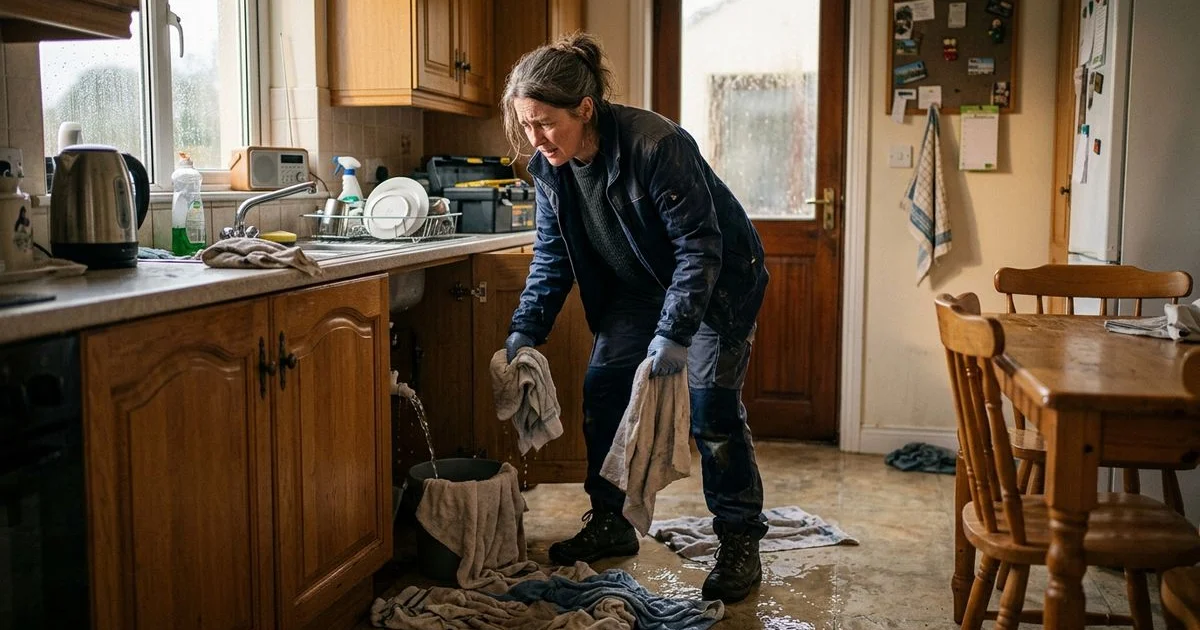
Our technicians have responded to countless late-night calls where a winter freeze turned a quiet evening into a panicked scramble. A sudden drop in temperature freezes the water inside your plumbing. The expanding ice creates immense pressure that easily splits copper and plastic fittings.
We know that those critical first moments dictate whether you face a minor cleanup or a massive repair bill. According to recent data from Peopl Insurance, escape of water incidents account for a staggering 41% of all home insurance claims in Ireland. This shocking figure highlights why immediate action is so vital to protect your property.
Our guide explains how to shut off your main supply, isolate your electrics, and correctly document the scene. Knowing when to call a professional emergency plumber is your final, crucial step.
Fast action is your best defense against structural damage.
Step 1: Turn Off the Water Supply Immediately
We cannot overstate the importance of finding your stopcock before an emergency happens. A fully severed pipe can pump up to 400 litres of water per hour into your home. That volume is the equivalent of emptying four full bathtubs directly onto your living room floor every sixty minutes.
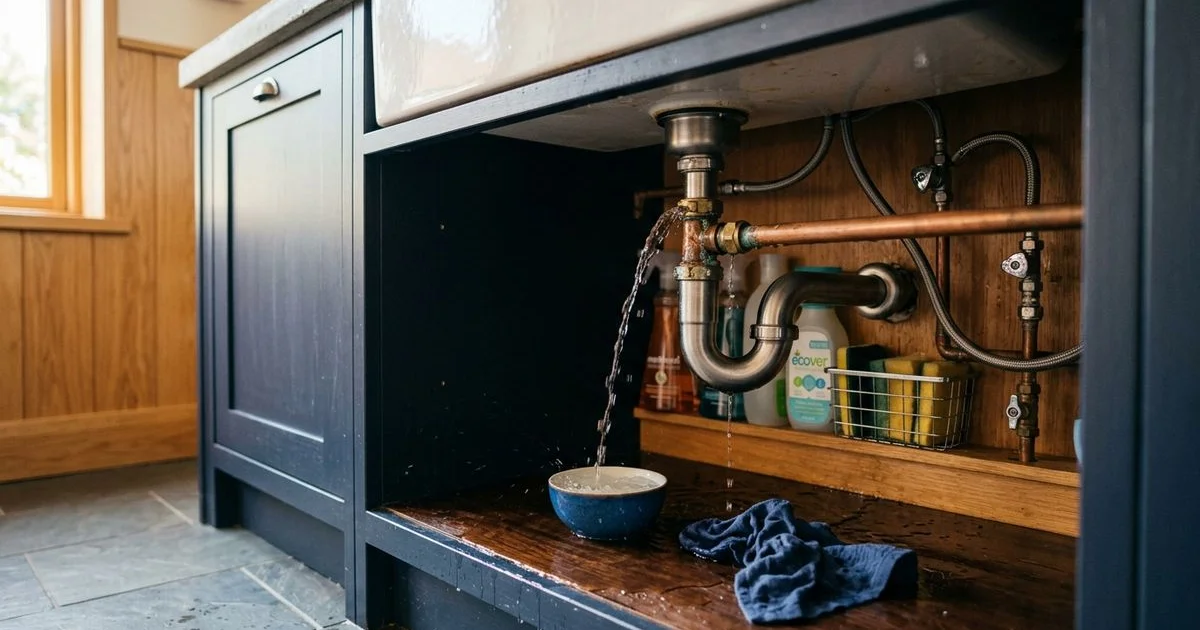
Our plumbers find that the main internal shut-off valve is usually located under the kitchen sink in most Irish homes. You should also check these common locations:
- Inside a downstairs toilet
- Tucked away in a utility room
- Hidden inside a hallway cupboard under the stairs
- Near the front door where the rising main enters
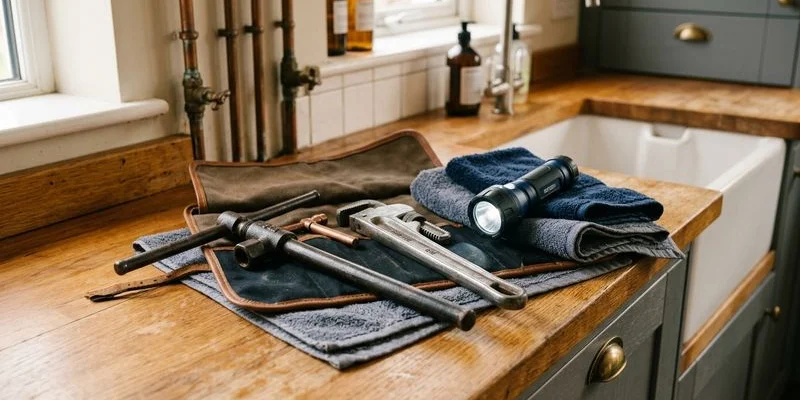
Turn the brass valve clockwise to stop the incoming flow. We frequently encounter stiff valves if they have not been turned in years. Keep a pair of pliers or an adjustable wrench nearby to give you extra leverage.
Opening all the cold taps throughout your house is the next vital step once the main valve is securely closed. Our team recommends this simple action because it drains the remaining water sitting in your system. It actively reduces the built-up pressure on the damaged section of plumbing.
Uisce Éireann owns the external water meters, which sit under a small plastic or metal cover in the footpath. We advise checking outside near your boundary wall if the internal valve remains completely stuck.
Step 2: Turn Off the Electricity in Affected Areas
Water and electricity create a potentially fatal combination. Leaks travelling through a ceiling can easily track along wiring and pool inside your light fittings or wall sockets. We urge you to isolate the power to the affected zones immediately at your main consumer unit.
Head directly to your fuse board and flip the switches for the specific circuits in the flooded area. Switching off the main power switch entirely is the safest option if you are unsure which breakers control the damaged room. Our advice is to never touch any wet appliances or standing water while the electrical supply is still active.
In Ireland, any electrical repairs resulting from water damage must be certified by a Safe Electric Registered Electrical Contractor. Your insurance provider will likely refuse to cover any subsequent electrical fire claims without a proper completion certificate from a registered professional.
Step 3: Contain the Water and Minimise Damage
We know that rapid cleanup is essential to protect your floors and structural timbers. Mould spores can begin germinating on wet plasterboard and carpets within 24 to 48 hours of the initial flood. Every bucket you fill and towel you lay down directly reduces your final repair bill.
Our emergency protocols focus on these immediate containment strategies:
- Place large plastic buckets directly under the active drip
- Move timber furniture and electronics away from the pooling water
- Open nearby windows to drop the indoor humidity and encourage airflow
- Mop up all standing water immediately to save wooden floorboards
A visible bulge in your plasterboard ceiling means the material is holding a dangerous amount of liquid. Placing a wide container underneath and carefully piercing the lowest point with a screwdriver drains the trapped water safely. We often see ceilings completely collapse because homeowners wait too long to intervene.
Commercial dehumidifiers are highly effective and cost around €55 to €70 per day to hire from tool rental shops like A-Z Hire or Wicklow Hire. Running one of these units for a few days pulls deep moisture out of the building fabric, saving your concrete screed and carpets.
Step 4: Identify the Source of the Burst
Our technicians recommend tracing the leak back to its origin once the immediate area is safe and contained. Pinpointing the exact location helps the responding professional arrive with the correct replacement parts. The Commission for Regulation of Utilities recently reported that over 37% of treated water in Ireland is lost to pipeline leaks.
We regularly find these failures happening in highly predictable areas of the home.
Exposed Pipes in Attics and Lofts
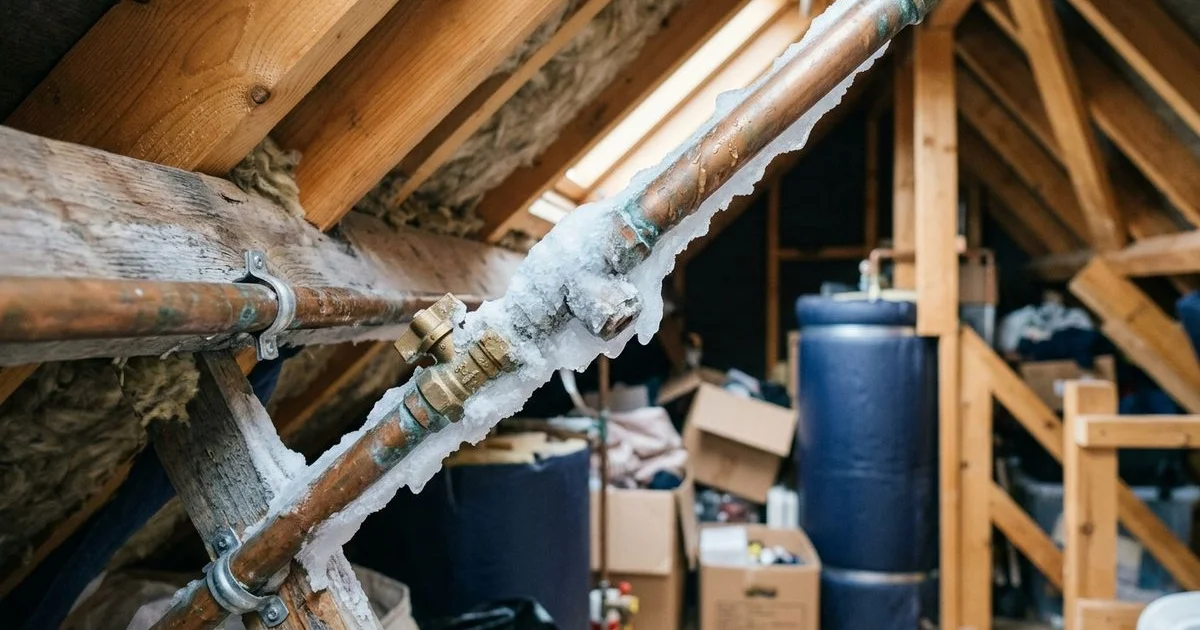
Older Irish attics are notoriously drafty and lack proper insulation around the attic water tanks and plumbing. The temperature in these roof spaces easily plummets below freezing during winter cold snaps. Our first diagnostic step is safely opening the attic hatch to inspect the visible copper or plastic lines for jagged splits.
Pipes Under Sinks and in Cupboards
Kitchen and bathroom sink cabinets hide a maze of compression fittings and soldered joints. A slow drip from a loose connection often precedes a total blowout. We suggest running your hand along the supply lines under the basin to feel for escaping moisture.
Pipes Running Through External Walls
Masonry surfaces absorb the brunt of the freezing wind, turning the water inside adjacent pipes into solid ice. The expanding ice pushes against the metal until it finally ruptures. Our crews frequently repair cracked lines running along these vulnerable, north-facing external walls.
Underground Supply Pipes
Your main external supply line might be compromised if you notice a sudden drop in water pressure but see no indoor puddles. Unexplained wet patches or unusually lush grass in your front garden are strong indicators of a subterranean leak. We know that excavating and fixing these deep lines requires heavy machinery, though home insurance generally covers the groundwork.
Step 5: Apply a Temporary Repair (If Possible)
A temporary patch is only meant to hold until a permanent fix is applied. You can often slow the spray significantly using basic supplies from local Irish hardware stores like Woodie’s or Chadwicks. Our team suggests applying one of these temporary solutions if the pipe is easily accessible:
- Self-amalgamating tape: This specialized rubber tape fuses to itself when stretched tightly around a pipe, creating a waterproof seal capable of withstanding moderate pressure.
- Plumbing epoxy putty: Brands like Tec7 harden like steel within minutes after you knead the two parts together and press them over the crack.
- Pipe repair clamps: These inexpensive metal brackets feature a rubber inner sleeve that bolts tightly over the damaged section.
- Rubber hose and jubilee clips: Slice a section of old garden hose lengthwise, wrap it over the split, and secure it firmly with two metal hose clips.
These quick fixes give you breathing room while waiting for your scheduled emergency plumber. Temporary seals will degrade over time and fail violently if left permanently exposed to high mains pressure. We must eventually remove these patches to perform a permanent, building-code-compliant repair.
Step 6: Document the Damage for Insurance
Solid visual evidence proves to your provider that the flood was sudden and accidental. Peopl Insurance warns that homeowners can face out-of-pocket bills exceeding €10,000 if a burst pipe incident is not properly documented and claimed. We strongly encourage you to take extensive photographs and videos before you start ripping up wet carpets.
Your documentation checklist should include these key elements:
- Close-up photos of the actual split in the metal or plastic pipe
- Wide-angle videos showing the standing water and the full extent of the flooding
- Detailed pictures of warped floorboards, ruined plaster, and damaged furniture
- Organised receipts for emergency dehumidifier hire, tool rentals, or hotel stays
Independent Loss Assessors can negotiate directly with the insurance company on your behalf for severe incidents. Our experts highly recommend consulting with one of these Irish professionals if the devastation is extensive. Demonstrating that you took immediate steps to shut off the water and minimise the destruction is crucial for a successful payout.
Step 7: Call a Professional Emergency Plumber
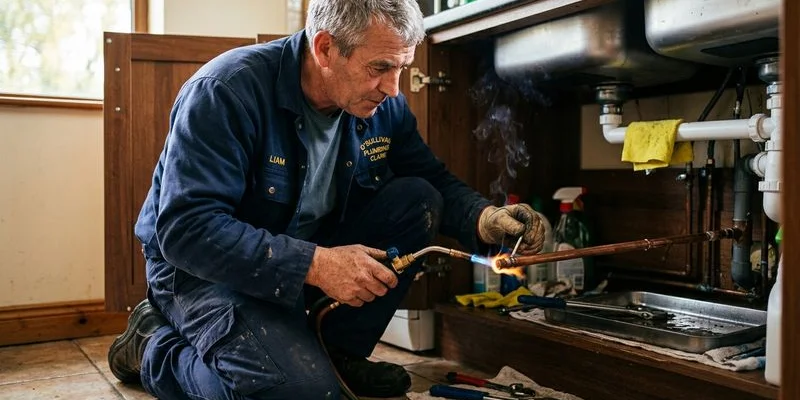
A burst main is simply beyond the scope of a weekend DIY project. We assure you that you need a fully insured, qualified expert who can cut out the damaged section and braze a new fitting under tight conditions. Attempting to solder wet copper pipes yourself usually results in weak, leaking joints.
A registered professional will perform a comprehensive pressure test on the entire system after securing the immediate break. Our plumbers also verify that your heating repairs circuits are functioning safely, which is why you should always look for an RGI registered engineer. Standard out-of-hours callout fees in Ireland typically range from €100 to €150 per hour, depending on your location and the time of night.
Fast action limits your structural damage. Our fully stocked vans at Emergency Plumber Athlone provide a 24/7 emergency callout service across Athlone, Moate, Ballinasloe, Roscommon, and the surrounding areas. The dispatch team prioritises active indoor leaks to get an engineer to your door within 60 minutes.
How to Prevent Burst Pipes in the Future
Winterising your property takes only a few hours but provides total peace of mind during freezing weather. We strongly believe that spending a small amount on prevention saves thousands of euros in emergency repairs.
Insulate Your Pipes
Applying proper lagging to exposed lines in your attic, garage, and along external walls is highly effective. Standard polyethylene foam pipe insulation sleeves cost just a few euros per metre at local hardware stores. Our installation method involves cutting the foam to length and taping the seams securely to trap the ambient heat against the copper.
Keep Your Heating On Low During Cold Snaps
Aviva Insurance officially recommends setting your thermostat to a minimum of 12 to 14 degrees Celsius if you are away during a winter freeze. This low, consistent heat permeates the building fabric and keeps the internal wall cavities well above the freezing point. We constantly see pipes freeze in houses left completely unheated over the Christmas holidays.
Fix Dripping Taps and Small Leaks Promptly
A worn washer causing a slow drip today easily degrades into a blown fitting tomorrow. Constant dripping puts continuous mechanical stress on your plumbing infrastructure. Our technicians know it often indicates that the internal water pressure is too high or that a joint is heavily corroded.
Service Your Plumbing System Annually
Preventive maintenance catches microscopic fractures before they rupture. An annual inspection identifies worn valves and highlights specific roof spaces requiring thicker insulation. We offer a comprehensive plumbing maintenance service that includes a full system pressure check.
Know Your Stopcock
This critical advice bears repeating for every adult living in your home. You must know exactly where the main internal shut-off valve is located. We implore you to test the handle every six months to ensure it turns freely, as a seized valve guarantees severe flooding during an emergency.
When Should You Call an Emergency Plumber?
A slow leak catching safely in a bucket can often wait until normal business hours to avoid premium rates. Certain situations demand immediate professional intervention to protect the structural integrity of your house. We recognise that not every dripping sink requires a midnight callout.
You must call a certified plumber immediately if you encounter any of these scenarios:
- Water is actively flowing from a broken main and the stopcock is completely seized.
- The burst is located directly above your consumer unit or major electrical appliances.
- Your plasterboard ceiling is sagging heavily under the weight of trapped water.
- The suspected leak is buried deep within an underground supply pipe or concealed behind a tiled wall.
- You have no running water and need the system restored for basic sanitation.
Temporary safety measures will help contain the area while the engineer is in transit. Our dispatchers are trained to assess your situation over the phone and determine the urgency.
The Cost of Burst Pipe Repairs in Ireland
The final invoice largely depends on how easily the plumber can access the damaged section and the cost of the replacement materials. Emergency callout fees will apply if the work occurs outside normal working hours or on weekends. We want to give you a realistic idea of what professional repairs cost in Ireland today.
| Type of Repair | Typical Cost |
|---|---|
| Simple joint repair (accessible) | €90 - €150 |
| Copper pipe section replacement | €150 - €300 |
| Concealed pipe repair (wall/floor) | €250 - €500+ |
| Underground supply pipe excavation | €400 - €1,000+ |
Paying a premium for an immediate fix is always cheaper than replacing €5,000 worth of water-logged flooring. Prices will vary based on your exact location and the severity of the flood.
Final Thoughts
We know how overwhelming a sudden flood feels, but staying calm keeps the situation manageable. Your immediate priorities are to shut off the water supply, isolate the electricity, and protect your valuables from the spreading pool. Taking these decisive actions limits the destruction and simplifies your insurance claim.
Our team is always ready to respond when disaster strikes.
If you are dealing with a burst pipe right now, call Emergency Plumber Athlone on our 24/7 emergency line for immediate assistance.
This guide was written by the team at Emergency Plumber Athlone, RGI registered plumbing and heating engineers serving the Irish midlands since 2015. For emergency assistance, call us any time, day or night.
Emergency Plumber Athlone
Plumbing & Heating Engineers
The team at Emergency Plumber Athlone have been providing dependable plumbing and heating services across County Westmeath, Roscommon, and East Galway since 2015. RGI registered and fully insured.
RGI Registered Gas Installer