Why Is My Toilet Running Constantly? Causes and Fixes Explained
Is your toilet constantly running or filling? Learn the most common causes of a running toilet, how to diagnose the problem, and when to call a plumber.
Emergency Plumber Athlone
29 September 2025
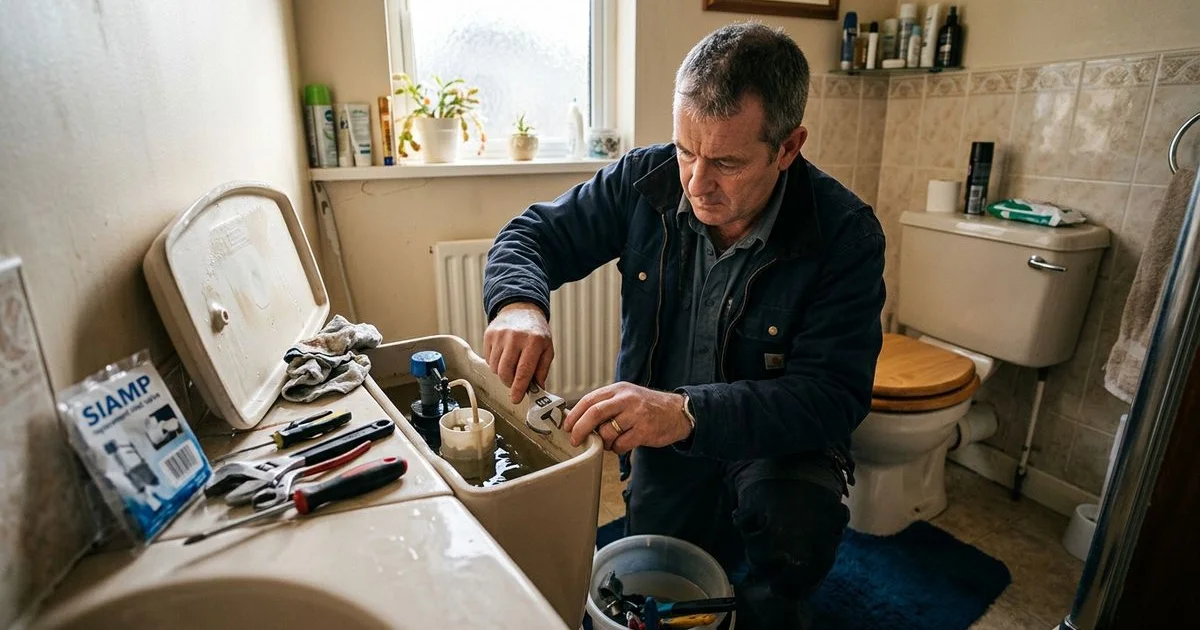
Our plumbing team responds to emergency callouts across the midlands every single week. You might assume a burst pipe is the biggest source of wasted water in a home.
In reality, a silent leak from a bathroom fixture often causes the most financial damage. A running toilet can waste anywhere from 200 to over 1,400 litres of water per day.
We have seen homeowners face shockingly high utility bills simply because they ignored this minor trickling sound. A running fixture typically indicates one of three things:
- A perished rubber seal.
- A jammed plastic mechanism.
- A completely faulty intake valve.
That constant hissing sound means water is continuously flowing straight down the drain.
Over the course of a year, that volume puts massive strain on metered supplies and local septic systems.
Why Is My Toilet Running Constantly? Causes and Fixes Explained is the primary focus of this guide. The following sections outline the data, explain how these components work, and provide actionable repair steps.
How Your Toilet Cistern Works
To understand why water keeps flowing, it helps to know how the cistern operates. The basic mechanism is remarkably simple despite the wide variety of modern bathroom designs.
Our specialists frequently replace both traditional and contemporary flushing systems. When you press the button or handle, a valve at the bottom opens to release stored water into the bowl. Older Irish toilets typically rely on a siphon mechanism, whereas modern dual-flush systems generally use a drop valve instead.
Once the water drains out, the valve closes so the tank can refill. The refilling process is controlled by a fill valve, often called a ballcock or float valve. We regularly install industry-standard models like the Fluidmaster or Torbeck valves during our service calls.
Pro Tip: If your toilet takes longer than two minutes to refill after a flush, your fill valve filter is likely clogged with grit from the municipal water supply.
As the water level rises, a float rises with it. The float shuts off the water supply once it reaches a preset height. An internal overflow pipe acts as a vital safety mechanism to prevent flooding if that fill valve fails.
When any of these internal plastic or rubber components malfunction, the water simply keeps running.
Why Is My Toilet Running Constantly? Causes and Fixes Explained
1. A Faulty Flapper or Drop Valve Seal
In modern dual-flush toilets, the flush mechanism relies on a drop valve with a rubber or silicone seal. This seal lifts to release water and then drops back down to close the tank.
Over time, these seals deteriorate, warp, or develop heavy calcium deposits. Hard water areas in the Irish midlands are particularly prone to rapid limescale buildup.
Our technicians always check this seal first during a diagnostic visit. This continuous trickle prevents the tank from reaching full capacity, forcing the fill valve to run constantly.
- How to check: Add a few drops of food colouring to the cistern water and wait 15 minutes without flushing. Coloured water appearing in the bowl confirms a leaking seal.
- The fix: You can usually replace a standard Siamp or Flomasta drop valve seal for around €5 to €10 at hardware stores like Woodie’s or B&Q. The entire drop valve assembly may need replacing if the plastic seat is severely corroded.
2. A Worn Siphon Diaphragm
Older Irish homes built before 2000 often feature a siphon mechanism rather than a modern drop valve. A siphon uses a plastic and rubber diaphragm that flexes to draw water over a U-bend and into the bowl.
We frequently encounter the Derwent Macdee Metro rectangular syphon in these older properties. The thin rubber diaphragm inside this unit eventually wears out or splits from repeated use.
A split membrane prevents the siphon from creating enough suction to flush properly, and it often allows water to trickle through continuously.
- How to check: If you have to pump the flush handle multiple times to get any water to drop, the diaphragm is completely torn.
- The fix: Replacing the diaphragm washer is a very cheap repair, often costing less than €5. Many homeowners find it easier to replace the entire siphon unit, which costs around €25 at local building suppliers. This job requires disconnecting the cistern from the bowl, so it takes a bit of confidence to tackle.
3. A Faulty Fill Valve (Ballcock)
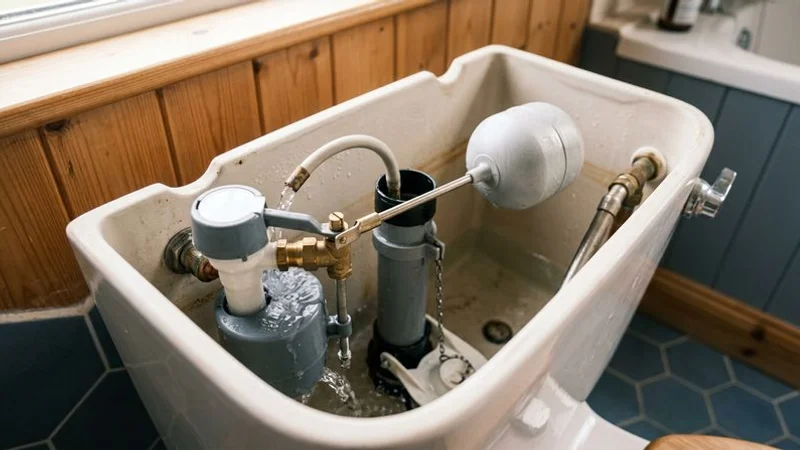
The fill valve serves as the main gateway for water entering the cistern. Water will continuously flow in and escape through the overflow pipe if this valve fails to shut off completely.
Our plumbers replace dozens of these faulty units every month. Several specific issues can cause a fill valve to fail:
- Worn internal washer: The small rubber washer inside the valve head degrades over time.
- Debris blockages: Grit from the municipal water supply can easily jam the valve open.
- Corroded brass bodies: Older brass ballcocks corrode internally, completely jamming the moving arm.
- Incorrect float height: A float set too high forces the water level above the overflow point before the mechanism can close.
Lift the float arm or cup by hand to check the mechanism. The fill valve is working if the water stops running, meaning you just need to adjust the float level downwards. The actual valve is broken if water continues spraying.
We highly recommend upgrading to a modern, WRAS-approved unit like a Fluidmaster PRO400UK if the valve is completely broken. These replacements typically cost between €20 and €35 and offer much better reliability. Adjust the float downward using the adjustment screw or by bending the brass arm slightly if the valve is otherwise healthy.
4. A Cracked Overflow Tube
The internal overflow tube directs excess water into the bowl to prevent your bathroom from flooding. Water will continuously drain away if this hollow plastic tube develops a crack.
Our team often sees these tubes crack due to brittle plastic aging or accidental damage during previous repairs. The fill valve will trigger endlessly to replace the lost water.
- How to check: Look closely at the vertical plastic tube inside the tank for hairline fractures above the waterline.
- The fix: Lower the water level by adjusting the float as a first diagnostic step. You will need to replace the entire flush valve assembly if the overflow tube itself has a visible crack.
5. A Misaligned or Stuck Flush Button
Dual-flush buttons operate using a cable or a set of plastic push-rods to lift the drop valve. The button mechanism can easily become jammed or misaligned, especially on budget-friendly models.
We see this specific fault constantly in high-traffic family bathrooms. A stuck button holds the drop valve open, meaning the tank can never refill and seal. Cable-operated buttons generally have a lifespan of about 5 to 7 years before the internal wire stretches or binds.
- How to check: Listen carefully right after you flush. The drop valve might be stuck if the running water sound starts immediately and never stops. Gently press the top of the internal valve down, and if the noise stops, you have a seating issue.
- The fix: Realign the push-rods or spray a little silicone lubricant on the button housing to free up sticky plastic parts. Avoid using petroleum-based sprays, as they can melt the plastic over time.
6. A Leaking Cistern-to-Bowl Seal
A thick rubber gasket sits between the cistern and the toilet bowl on close-coupled models. This component, often called a doughnut washer, creates a watertight seal.
Our repair specialists note that these seals typically dry out and perish after about a decade. Water leaks externally from this joint rather than running into the bowl, though the sound is identical.
- How to check: Run a dry piece of tissue paper along the underside of the cistern where it meets the ceramic bowl. Any moisture on the paper confirms a failing doughnut seal.
- The fix: This repair requires fully unbolting the cistern from the pan. You must handle the ceramic parts with extreme care to avoid cracking them during reassembly.
DIY Fixes You Can Try
Many running toilet problems require only basic tools and a quick trip to the hardware shop. We always encourage confident homeowners to attempt minor part replacements before booking a callout.
The following table breaks down the most common repairs, their average costs in Ireland, and the expected time commitment.
| Repair Type | Average Cost (IE) | Difficulty Level | Expected Time |
|---|---|---|---|
| Adjust Float Level | Free | Very Easy | 5 Minutes |
| Clean Valve Seal | Free | Easy | 10 Minutes |
| Replace Drop Valve Seal | €5 - €10 | Easy | 15 Minutes |
| Replace Fill Valve | €20 - €35 | Moderate | 45 Minutes |
| Replace Siphon Unit | €25 - €30 | Hard | 60+ Minutes |
Taking a systematic approach will save you from buying unnecessary parts. Here are the precise steps you should follow:
- Adjust the float level. Lower the mechanism so the water naturally stops about 25mm below the top of the open overflow pipe.
- Clean the drop valve seal. Unclip the rubber seal, wash away any gritty limescale under a tap, and refit it carefully.
- Replace the drop valve seal. Buy an exact match from a local supplier and pop it onto the base of the flush mechanism.
- Replace the fill valve washer. Turn off the isolation valve, unscrew the top cap of the fill valve, and swap out the tiny rubber diaphragm.
- Clear valve debris. Flush the open valve body with a cup of water to blast out any trapped sediment.
- Check button alignment. Ensure the external button springs back up instantly and the internal rods move freely.
When to Call a Plumber
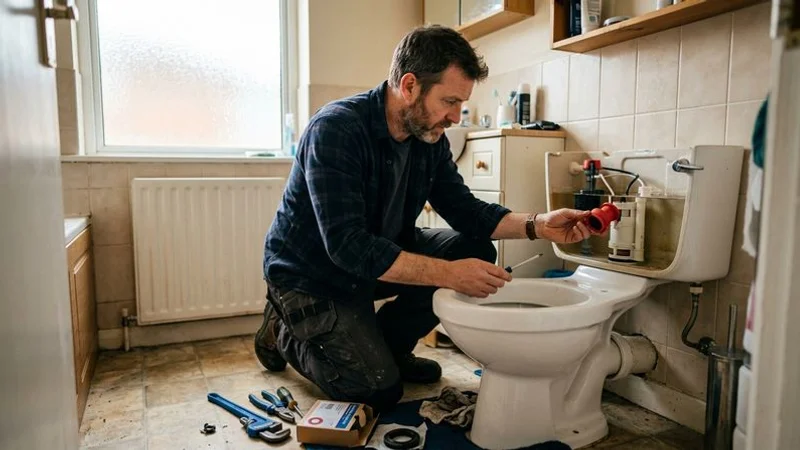
While a handy homeowner can manage many repairs, some situations demand professional intervention. We strongly advise calling an expert if you encounter structural damage or persistent pressure issues.
According to a 2025 report from Grants Handyman Services, ignoring sudden water pressure changes can lead to severe plumbing failures. A professional diagnosis is the safest route if your attempts at fixing the toilet fail to stop the noise.
There are several clear warning signs that you need expert help immediately:
- Ceramic cracks are visible. Hairline cracks in the cistern or bowl cannot be safely repaired and require a full toilet replacement.
- The base is leaking. Water pooling on the floor usually indicates a failed wax ring or a cracked soil pipe connection.
- Old brass fittings are seized. Attempting to force corroded metal nuts often results in shattered porcelain or snapped supply lines.
- You lack an isolation valve. If you cannot easily turn off the water supply to the bathroom, a simple slip could cause a flood.
Our emergency team is always ready to step in if a DIY repair goes wrong. There is zero shame in passing a complex job over to a qualified tradesperson.
The Cost of Ignoring It
A running toilet wastes an absolutely staggering amount of water if left to run for weeks. We often speak with customers who are shocked by the volume of water slipping silently down the drain.
A steady leak of just one litre per minute adds up to 1,440 litres per day. That equates to over 525,000 litres of clean, treated water wasted over a single year.
According to 2026 guidance from Uisce Éireann, even these small household leaks drastically increase the processing burden on public water treatment systems.
Fact: Uisce Éireann notes that fixing a constantly running toilet is one of the single most impactful ways a household can reduce its daily water footprint.
Rural properties with private septic tanks face an even bigger risk. Hundreds of excess litres entering a septic system daily will quickly saturate the percolation area, leading to foul backups and expensive drainage and pipework repairs.
Our technicians view a running toilet as an early warning system for your bathroom. The continuous flow accelerates wear on the remaining internal parts, meaning a small drip today could become a flooded floorboard tomorrow.
Prevention Tips
A tiny bit of routine maintenance will drastically extend the life of your bathroom fittings. We recommend adding a quick cistern check to your annual spring cleaning schedule.
The internal environment of a toilet tank is surprisingly harsh on plastic and rubber. Following a few simple rules will keep everything operating smoothly:
- Avoid harsh chemical blocks. Dropping heavy bleach tablets directly into the cistern will rapidly dissolve the rubber Flomasta or Siamp seals.
- Do an annual inspection. Lift the ceramic lid once a year to check for creeping limescale or stiffening plastic arms.
- Listen for changes. Investigate immediately if the tank suddenly takes twice as long to fill or hisses randomly during the night.
- Replace parts proactively. Swapping a €5 washer at the first sign of wear prevents massive water waste down the line.
Our advice is to always use mild, liquid-based bowl cleaners instead of aggressive tank additives. Early action is consistently the cheapest and most effective strategy for home plumbing.
Need a Toilet Repair in the Midlands?
If your toilet simply will not stop running and you cannot track down the fault, help is readily available.
We handle all types of toilet repairs and installations across Athlone, Moate, Ballinasloe, Roscommon, and the wider midlands. Every service van carries a full stock of high-quality replacement parts like Fluidmaster valves and Macdee syphons.
Service Guarantee: We carry standard replacement parts on all callouts, allowing us to fix 90% of running toilets within an hour of arriving.
Our emergency plumbers are ready to take your call on 090-664 1014 for a prompt and professional repair. You can usually expect the issue to be fully resolved in a single visit, saving you both time and stress.
We hope this guide has given you the confidence to act.
Knowing the answer to “Why Is My Toilet Running Constantly? Causes and Fixes Explained” is the first step, but professional help is always just a phone call away.
Emergency Plumber Athlone
Plumbing & Heating Engineers
The team at Emergency Plumber Athlone have been providing dependable plumbing and heating services across County Westmeath, Roscommon, and East Galway since 2015. RGI registered and fully insured.
RGI Registered Gas Installer